

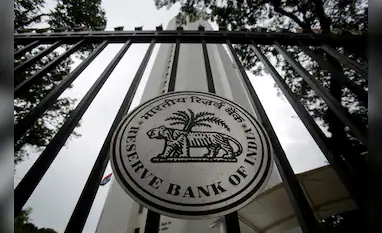
New Delhi/Alive News: The Reserve Bank of India (RBI) has stepped up scrutiny of banks’ cybersecurity systems amid a rise in cyberattacks targeting financial institutions and growing concerns over the misuse of artificial intelligence (AI).
According to three people familiar with the matter, the central bank has asked banks to demonstrate compliance with existing cybersecurity rules and provide details of their preparedness to tackle AI-related risks. The RBI has also urged lenders to examine vulnerabilities in application programming interfaces (APIs), which connect banks with non-banking financial companies (NBFCs) and fintech firms.
The increased vigilance comes as hackers increasingly use sophisticated AI tools to target financial infrastructure. Smaller lenders and third-party technology vendors are considered particularly vulnerable because of their relatively weaker security systems.
Although the RBI has issued cybersecurity guidelines, their implementation remains a concern, according to a consultant working with leading banks. The regulator is now pressing financial institutions to strengthen compliance and address security gaps.
Recent incidents have heightened concerns. State Bank of India (SBI), the country’s largest lender, is investigating a data leak involving around 3,900 customers. The bank has yet to identify the vulnerability responsible for the incident.
In another case, two Mumbai-based non-banking lenders reportedly lost approximately $2 million through more than 700 unauthorised instant transfers on October 8 and 9. A police complaint alleged that hackers compromised an API connection used to send loan disbursal instructions to ICICI Bank.
Meanwhile, the Indian Computer Emergency Response Team (CERT-In) warned on October 9 that cybercriminals were stealing banks’ API credentials to transfer funds from lenders’ systems, potentially using AI-assisted tools.
CERT-In has also conducted cybersecurity training for 300 officials from more than 55 financial institutions, highlighting the growing focus on strengthening the financial sector’s digital defences.