
National/Alive News: India lifted an estimated 49.6 crore people out of poverty between 2011 and 2023, with the extreme poverty rate declining from 27.1% to 2.6%, according to the World Bank’s October 2026 Poverty and Equity Brief. The proportion of people living below the lower-middle-income poverty line of $4.20 a day also fell from 57.7% to 16.1% during the period.
The World Bank described the decline as one of the fastest reductions in poverty globally, attributing the progress to rising consumption, increased employment, particularly among women, and expanded social assistance, including food subsidies.
Poverty projected to decline further
The report estimates that poverty at the $4.20-a-day threshold could fall from 14.2% in 2026 to 12.1% by 2028. However, these projections are indicative and may change as fresh economic and labour market data become available.
Multidimensional poverty has also declined significantly. According to the report, the rate fell from 53.8% in 2005-06 to 16.4% in 2019-21.
Regional and rural-urban disparities persist
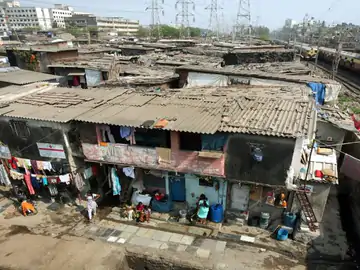
Despite the progress, poverty remains concentrated in certain regions. Uttar Pradesh, Bihar, Jharkhand, Odisha and West Bengal account for a substantial share of the country’s poor population. The report indicates that the corridor from Uttar Pradesh to West Bengal accounts for 57% of India’s poor.
The rural poverty rate stands at 19.3%, compared with 8.6% in urban areas, highlighting the continuing gap in living standards.
Jobs and wages remain major challenges
The report also points to persistent income inequality and weak earnings growth. In 2023, median earnings among the top 10% of workers were 13 times those of the bottom 10%.
Youth unemployment increased from 14.6% in the first quarter of FY2026 to 15.9% in the corresponding quarter of FY2027, with rural young women particularly affected.
The findings underline that sustaining poverty reduction will require more productive employment, better wages, improved education and wider access to sanitation and clean drinking water. The World Bank also cautioned that household consumption surveys may reflect both genuine welfare improvements and changes in measurement.