

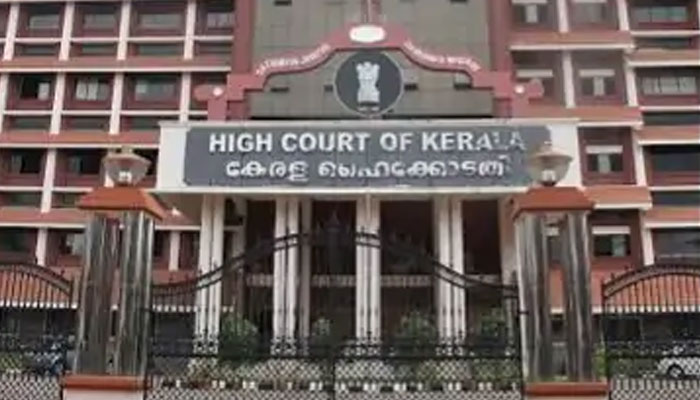
Thiruvananthapuram/Alive News: The Kerala High Court has observed that educational institutions should remain focused on education and that protests, hunger strikes and satyagraha should not disrupt academic activities. It also referred to an earlier judgment which held that students involved in such activities could face expulsion or removal from their institutions.
The observation came while the court was hearing a case involving 16 students suspended by Sree Sankaracharya University of Sanskrit in Kalady. A division bench of Justices Anil K. Narendran and Murali Krishna S. set aside a single judge’s interim order allowing the students to appear for their semester examinations.
The university had suspended the students on September 1, pending an inquiry into an incident that took place on campus on August 13. They were also barred from entering the campus, except for attending inquiry proceedings.
The students challenged the suspension, arguing that it had affected their classes and attendance. They said they should be allowed to take the examinations despite the shortage in attendance.
The university, however, told the court that the students had not fulfilled the mandatory examination requirements, including minimum attendance and completion of internal assessments. It also said they had not submitted applications seeking relaxation in attendance or the required supporting documents and departmental recommendations.
On October 30, a single judge had directed the university to accept the examination fees and allow the students to appear, subject to the final outcome of their main petition. The examinations were scheduled to begin on November 4.
The division bench said the students had not established their eligibility under the university rules. It also observed that the single judge had granted the main relief through an interim order without first examining whether the students met the examination requirements.
The bench referred to a 2017 Kerala High Court judgment, which had discussed political activities in educational institutions. That ruling cited Dr B.R. Ambedkar’s speech in the Constituent Assembly on November 25, 1949, in which he warned against methods such as civil disobedience and satyagraha when constitutional avenues were available.
The court stressed that universities and other institutions cannot be directed to act contrary to applicable rules.