
Delhi/Alive News: Prime Minister Narendra Modi and his Nepalese counterpart Balendra Shah will hold bilateral talks on November 23 to strengthen cooperation in key sectors, including energy, hydropower, railways, connectivity and infrastructure.
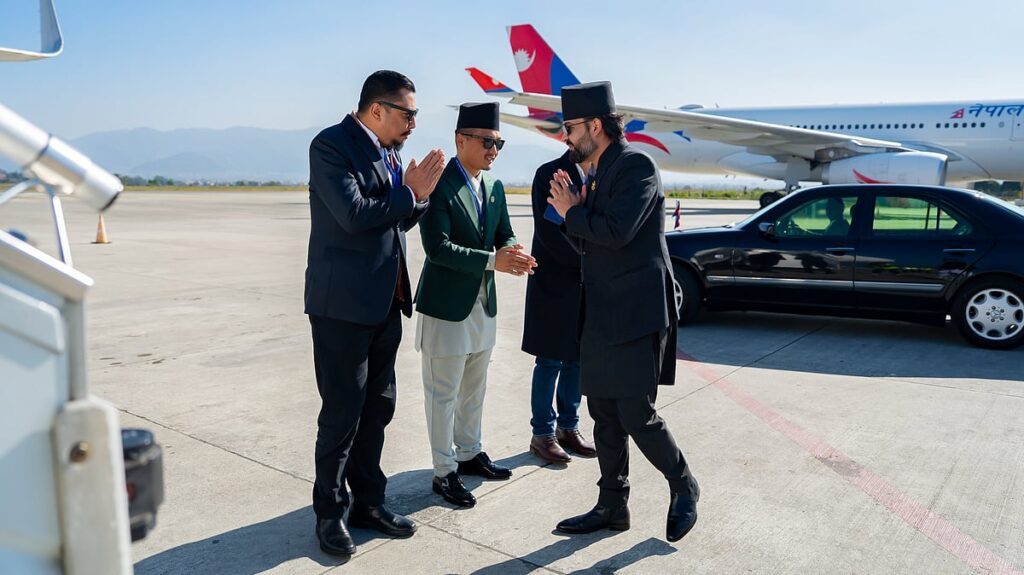
Shah arrived in New Delhi on Sunday for a two-day visit. This is his first visit to India since assuming office in March.
The meeting is expected to provide fresh political direction to bilateral relations, with both countries likely to announce several initiatives to expand cooperation. According to people familiar with the matter, the two leaders will also virtually inaugurate several development projects in Nepal.
Several forward-looking bilateral agreements and documents covering different areas of cooperation are also expected to be exchanged during the visit.
Economic cooperation is likely to be a major focus of the discussions. India is Nepal’s largest trade, transit and investment partner and provides duty-free access to its market. India also accounts for around 80 per cent of Nepal’s goods exports and is the destination for the largest share of its foreign investment.
Energy cooperation remains another important pillar of bilateral relations. Nepal earned approximately 1,800 crore Nepalese rupees from net electricity exports to India in 2025-26. The two countries also have a long-term electricity supply agreement to support Nepal’s energy requirements.
In the connectivity sector, discussions are underway on the proposed Raxaul-Kathmandu railway link, which could improve cross-border passenger and freight movement. A new passenger train service between Ayodhya and Janakpur Dham is also expected to be launched, connecting two important centres associated with the Ramayana tradition.
The two countries are also exploring cooperation in infrastructure development, technology, climate change and disaster management.
However, bilateral relations witnessed some strain in May after Shah suggested involving China and the United Kingdom in resolving the long-standing border dispute between India and Nepal. New Delhi rejected any third-party involvement, maintaining that the issue should be addressed through the existing bilateral mechanism.
India and Nepal have a longstanding territorial dispute involving Lipulekh, Limpiyadhura and Kalapani. India maintains that these territories are part of Uttarakhand.
Despite these differences, the two neighbouring countries share deep historical, cultural and economic ties, often described through the traditional ‘Roti-Beti’ relationship.