

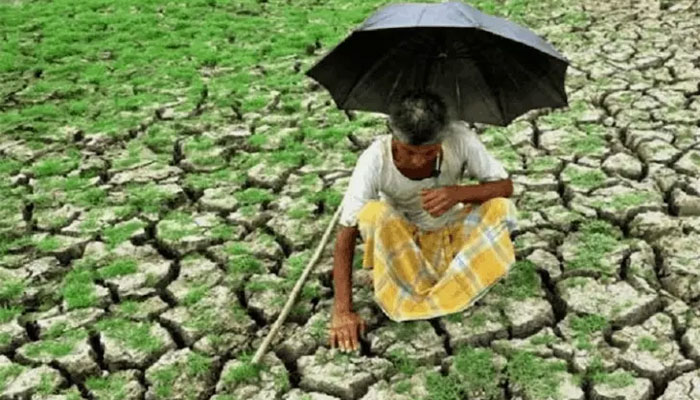
National/alive News: India’s monsoon rainfall this year was 12.6% below normal, raising concerns over agricultural production, water availability and electricity supply. The rainfall deficit has damaged kharif crops in several parts of southern and eastern India, while drought conditions have led to 305 talukas in Maharashtra and 217 in Karnataka being declared drought-hit.
The impact is now extending to the rabi sowing season. As of October 16, rabi sowing was 26% lower than during the corresponding period last year, increasing concerns about the next agricultural cycle.
Water levels in major reservoirs have also declined following the deficient rainfall. According to the data cited in the report, more than one-third of the capacity of the country’s 178 major reservoirs remained unfilled as of October 22. The shortfall could affect irrigation, drinking water supplies and hydropower generation.
Crop Production Under Pressure as Kharif Acreage Declines
The area under kharif crops declined from 1,118.9 lakh hectares to 1,103.9 lakh hectares this year. Rice acreage fell by 4%, while maize acreage decreased by 3%.
The Centre has set a foodgrain production target of 37.393 crore tonnes for the 2026–27 agricultural year, which is 26.30 lakh tonnes below the previous year’s actual production, according to the figures provided.
The combination of reduced rainfall, declining crop acreage and drought conditions could put further pressure on agricultural output. Lower production may also affect food supplies and prices, depending on crop yields and market conditions.
Electricity Supply Faces Challenges as Hydropower Generation Falls
The rainfall deficit has affected hydropower generation, which declined by 20% in September. The reduction has weakened one source of electricity supply, particularly during periods of peak demand.
Thermal power plants increased electricity generation by 13.3% in September to compensate for the shortfall. However, coal availability remains a concern.
Coal stocks reportedly declined by 66% between April and September, marking the sharpest fall in four years. As many as 96 thermal power plants had coal reserves sufficient for fewer than three days, according to the report.
The combination of reduced hydropower generation and low coal inventories could increase the risk of supply shortages during peak demand. Some states may face power cuts if electricity demand rises and fuel supplies remain constrained.
Reservoir Levels Raise Concerns Over Drinking Water and Irrigation
Data from the Central Water Commission (CWC) showed that the country’s 178 major reservoirs held water equivalent to 66.70% of their total capacity as of October 22.
Reservoir storage was reportedly 26.44% lower than the corresponding period last year and 18.43% below the 10-year average. Southern India was particularly affected, with reservoir storage at 42.34% of capacity, according to the figures cited.
Water levels in 12 of the 20 reservoirs associated with hydropower generation were at or below normal levels.
Lower storage could affect irrigation during the rabi season, when farmers depend on available water to grow crops. It may also create pressure on drinking water supplies and reduce the availability of water for electricity generation.
Government Updates Agricultural Contingency Plans in 262 Districts
Authorities have updated agricultural contingency plans for 262 districts to address the impact of rainfall deficiencies. The Indian Council of Agricultural Research (ICAR) has also issued El Niño management guidelines for Krishi Vigyan Kendras to help farmers respond to changing weather conditions.
Weekly monitoring of rainfall, reservoir storage, crop sowing and the availability of seeds and fertilisers is also under way.
Meanwhile, 112 thermal power plants have reportedly been instructed to maximise electricity generation and maintain adequate coal reserves.
The coming weeks will be critical for assessing the impact of the rainfall deficit on rabi crops, reservoir recovery and electricity supply. The severity of the situation will depend on water availability, fuel stocks and the effectiveness of measures taken to manage the shortfall.