

National/Alive News: Cockroach Janta Party (CJP) leaders Saurav Das and Ashutosh Ranka on Tuesday withdrew their petition from the Delhi High Court challenging the extension of their judicial custody in connection with protests against the Chief Election Commissioner (CEC). The decision came after Justice Subramonium Prasad indicated that the petitioners should first seek relief through the alternative legal remedies available to them.
The petition challenged an October 19 order passed by the Special Executive Magistrate (SEM), which extended their judicial custody by two days. The court allowed the withdrawal without expressing any opinion on the merits of the case.
During the hearing, the judge observed that personal liberty is a fundamental concern, but the law also provides specific remedies that must be considered. He suggested that the leaders withdraw the petition, appear before the magistrate and decide their next legal step based on the outcome of the proceedings.
Das and Ranka were scheduled to be produced before the SEM on Tuesday as their two-day judicial custody period was due to end. They were earlier sent to five days of judicial custody on October 14 by Executive Magistrate Mahesh Kumar Meena.
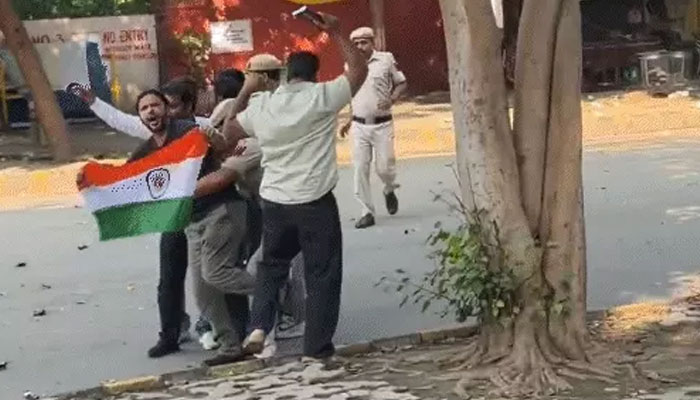
The case relates to allegations that the two leaders violated peace bonds by attempting to unfurl the national flag at Jantar Mantar despite prohibitory orders. The court noted that Jantar Mantar had been removed from the list of designated protest sites on October 11. It also observed that the related notification had not been stayed, while the challenge to the decision was pending before the Supreme Court.
Appearing for the petitioners, advocate Abhik Chimni argued that the October 19 order did not adequately explain the alleged immediate threat to public peace that justified their continued custody. He also questioned the rejection of their sureties and argued that their custody was not legally sustainable.
The High Court observed that the alleged violation of the earlier peace bond could be examined through the appropriate legal process. Justice Prasad also questioned why the petitioners had approached the High Court under Article 226 when the magistrate’s order could be challenged through a revision petition.
The judge further noted that the leaders had allegedly breached a bond they had given to maintain peace. He said that the court would have to distinguish between examining the decision-making process in a writ petition and reviewing the facts of a case through an appeal or revision.
The court also referred to the leaders’ involvement in earlier protests, including demonstrations over the alleged NEET examination paper leak. It observed that the nature of an organisation’s activities and concerns about a possible breach of public peace could become relevant in proceedings concerning preventive measures.
After taking instructions, Chimni withdrew the petition. The High Court permitted the withdrawal without deciding whether the magistrate’s order was legally correct, leaving the leaders free to pursue the remedies available under the law.