
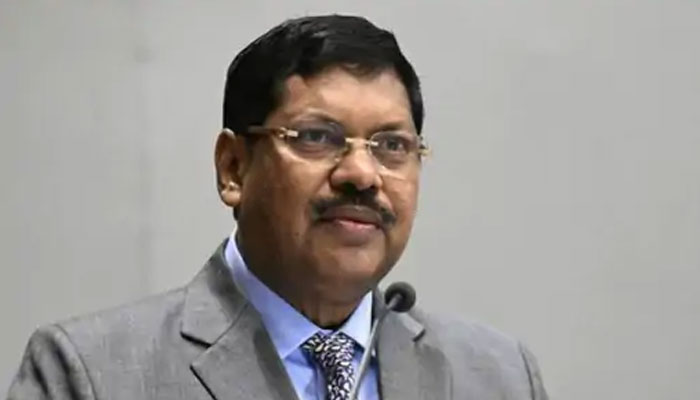
New Delhi/Alive News: Former Chief Justice of India (CJI) BR Gavai has raised concerns over the lack of representation of Scheduled Castes (SC), Scheduled Tribes (ST), Other Backward Classes (OBC), minorities and women in the higher judiciary. In a letter dated November 27, he wrote to President Droupadi Murmu, questioning the recent recommendations of the Supreme Court Collegium.
Gavai alleged that judicial appointments were increasingly favouring candidates from one particular community, while several other sections of society were being left behind. He said the process was raising serious questions about merit, diversity and equal representation.
Nearly 75% of Appointed Judges from General Category
Referring to government data, Gavai said that 715 judges had been appointed to various High Courts since 2018. However, only 22 belonged to Scheduled Castes, 16 to Scheduled Tribes, 89 to OBCs and 37 to minority communities. Nearly 75% of the appointments were from the general category.
He also pointed out that between January 2021 and January 2026, nearly 80% of appointments came from forward communities, while OBC representation remained below 14%.
Questions Raised Over Collegium System
Gavai questioned the lack of accountability in the Collegium system, which plays a key role in recommending judges for appointment to the Supreme Court and High Courts.
He said ensuring fair representation was not just the responsibility of the Collegium but also of the government and Parliament.
Questions Over Transfer of Judges
The former CJI also raised concerns over the transfer of judges between High Courts. He cited two examples in which transfers appeared inconsistent with the principles of merit and fairness.
He questioned why some judges were transferred to smaller High Courts while others received appointments in more prominent courts.
Seeks President’s Intervention
Gavai clarified that he was not against the appointment of candidates from any particular community. However, he stressed that all sections of society should receive fair opportunities in the judiciary.
He urged President Murmu to intervene and take appropriate steps to ensure balanced representation in higher judicial appointments.